
Acupuncture care to help you feel more like yourself
Nadine Cormier Acupuncture blends the time-honoured principles of Traditional Chinese Medicine with a thoughtful, modern approach to care. Rather than focusing on a single symptom, treatments consider the whole person, supporting greater balance, function, and overall well-being.
What is acupuncture?
Acupuncture stimulates the balance and flow of Qi energy that in Traditional Chinese Medicine is considered essential to health.
When the body is healthy, Qi (pronounced chee) flows smoothly through the meridians that make up a conceptual network of pathways throughout the entire body. When the balance or flow of Qi is deficient or obstructed, the body may be diseased or susceptible to illness. Acupuncture treats both the symptoms and the root causes of the patient's illness.
How does it work?
Acupuncture is an ancient, safe and effective alternative to medication and, in some cases, surgery. It stimulates the release of endorphins, the body's natural pain-relieving neurohormones, through the insertion of needles into specific anatomical points to encourage natural healing.
Therapeutic effects
- Pain relief
- Increased energy
- Improved mood
- Improved body function
Acupuncture, taken seriously.
Every treatment begins with a comprehensive health assessment, including an AcuGraph evaluation to help identify patterns and imbalances across the body’s meridian system. Combined with your health history and symptoms, this information helps guide a treatment plan tailored specifically to you.
Because no two people present exactly the same way, no two treatment plans are identical. Acupuncture may be combined with other Traditional Chinese Medicine techniques, including cupping, gua sha, Tuina massage, electroacupuncture and moxibustion.
For patients seeking additional options for managing pain, stress and other health concerns, acupuncture can provide a practical, non-pharmacological approach to care. It can be used alongside conventional medical treatment as part of an integrative approach to supporting health, function and quality of life—not as a replacement for necessary medical care.
How acupuncture may help
People seek acupuncture for a wide range of health concerns—from pain and stress to sleep, digestive issues, women’s health and overall well-being.
Some patients come with a specific concern they want to address, while others incorporate acupuncture into their ongoing health and wellness routine. Treatment is always individualized, with a plan designed around your symptoms, health history and personal goals.
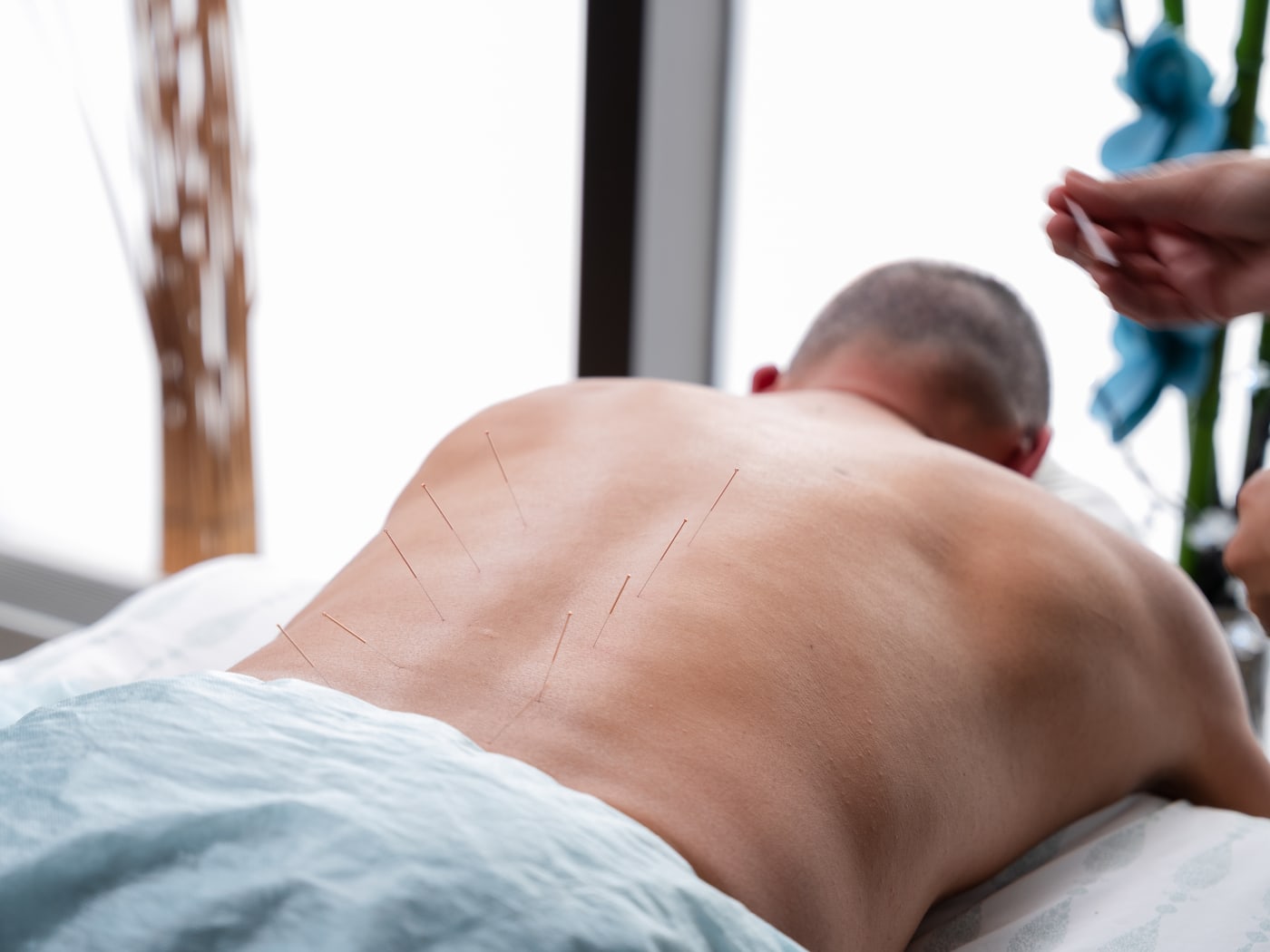
Pain & Musculoskeletal Concerns
Acupuncture for back and neck pain, sciatica, joint pain and muscle tension in Greater Moncton.
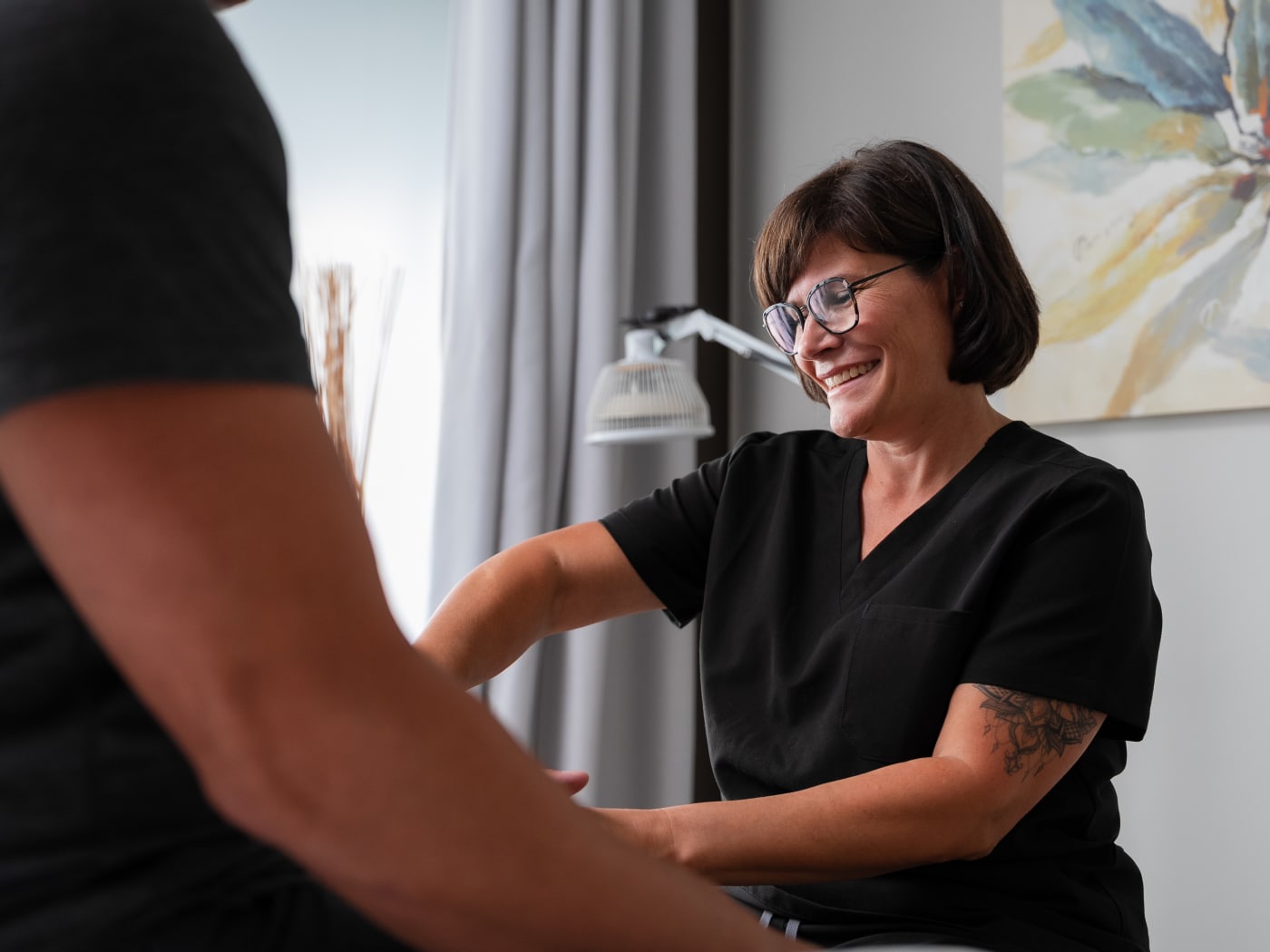
Stress & Emotional Well-Being
Acupuncture to promote relaxation and support people living with stress, tension and disrupted sleep in Greater Moncton.
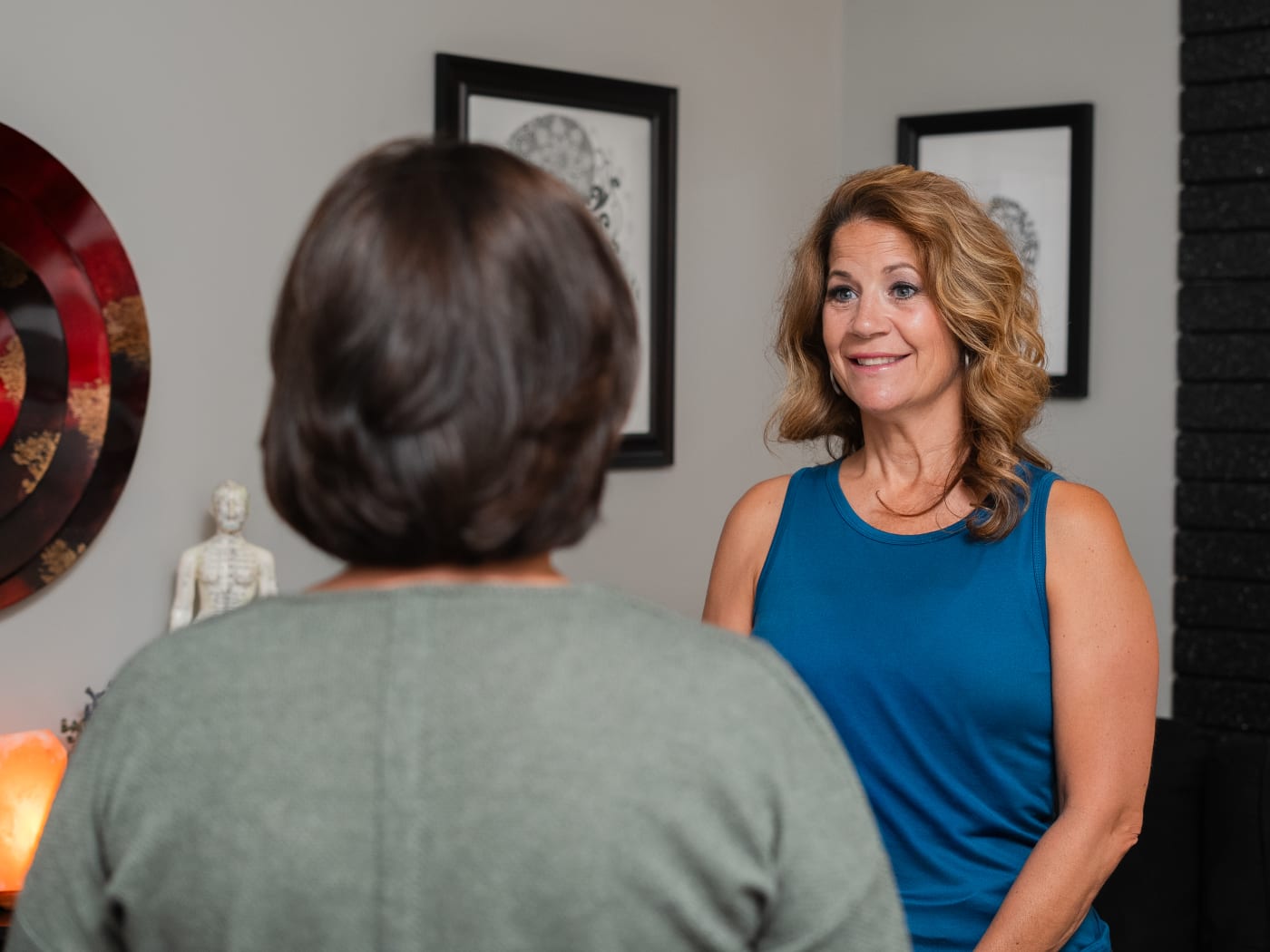
Women’s Health
Acupuncture as a complementary approach to women’s health in Greater Moncton.
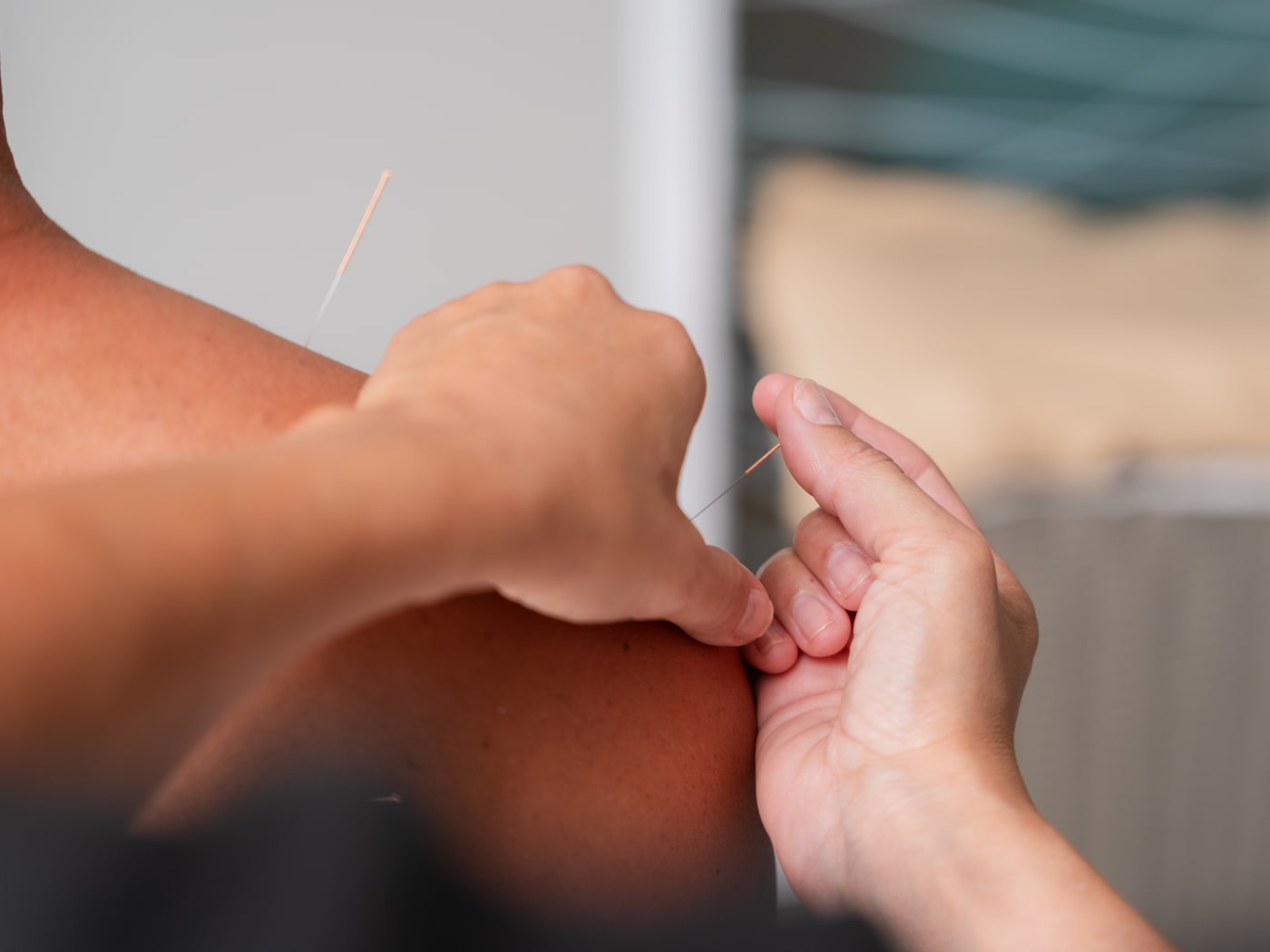
Sleep Support
Acupuncture as part of a treatment plan for difficulty falling asleep, waking frequently and unrefreshing sleep in Greater Moncton.
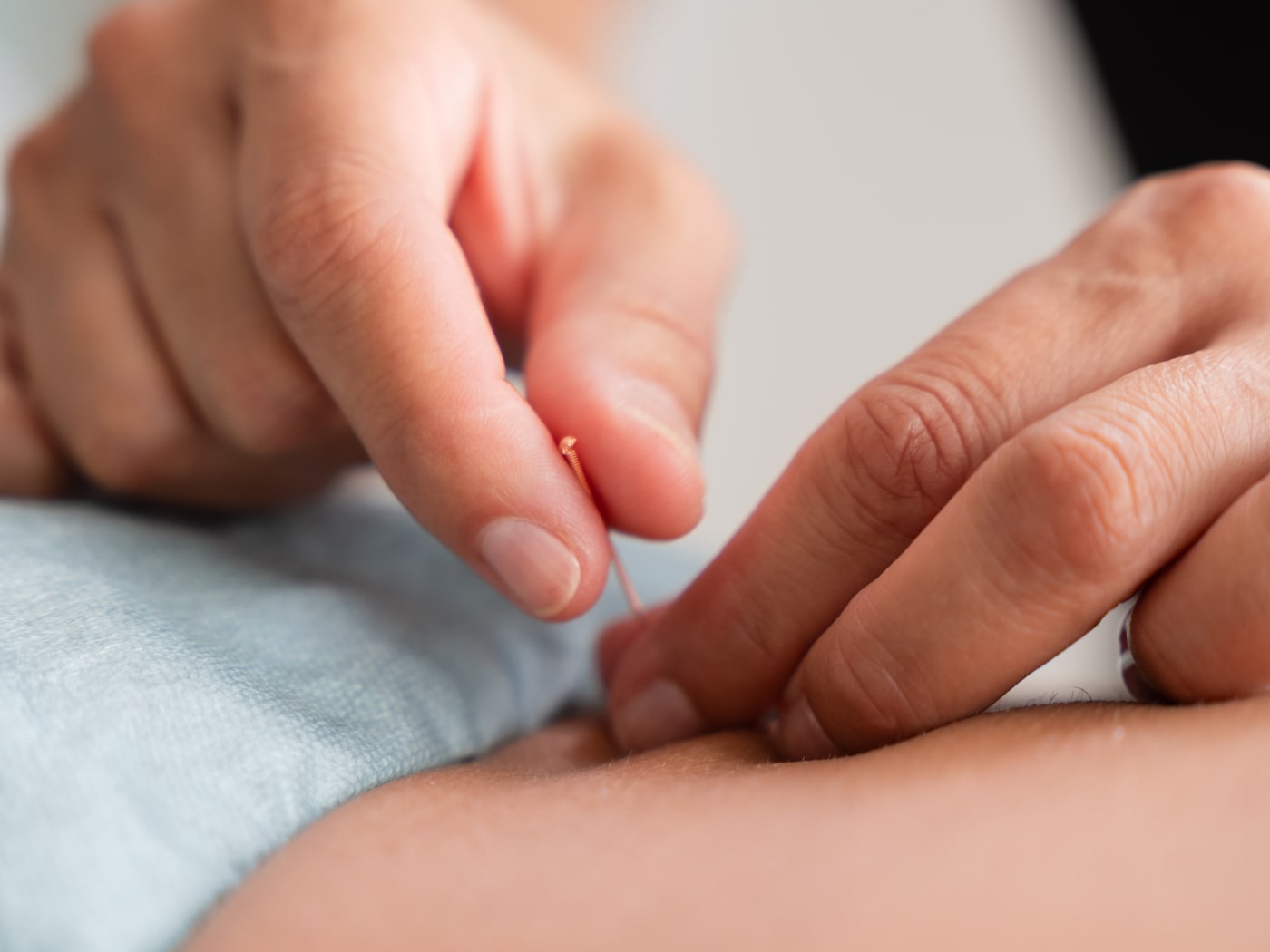
Digestive Wellness
Acupuncture as part of a broader wellness plan for digestive discomfort, bloating and stress-linked digestive symptoms in Greater Moncton.
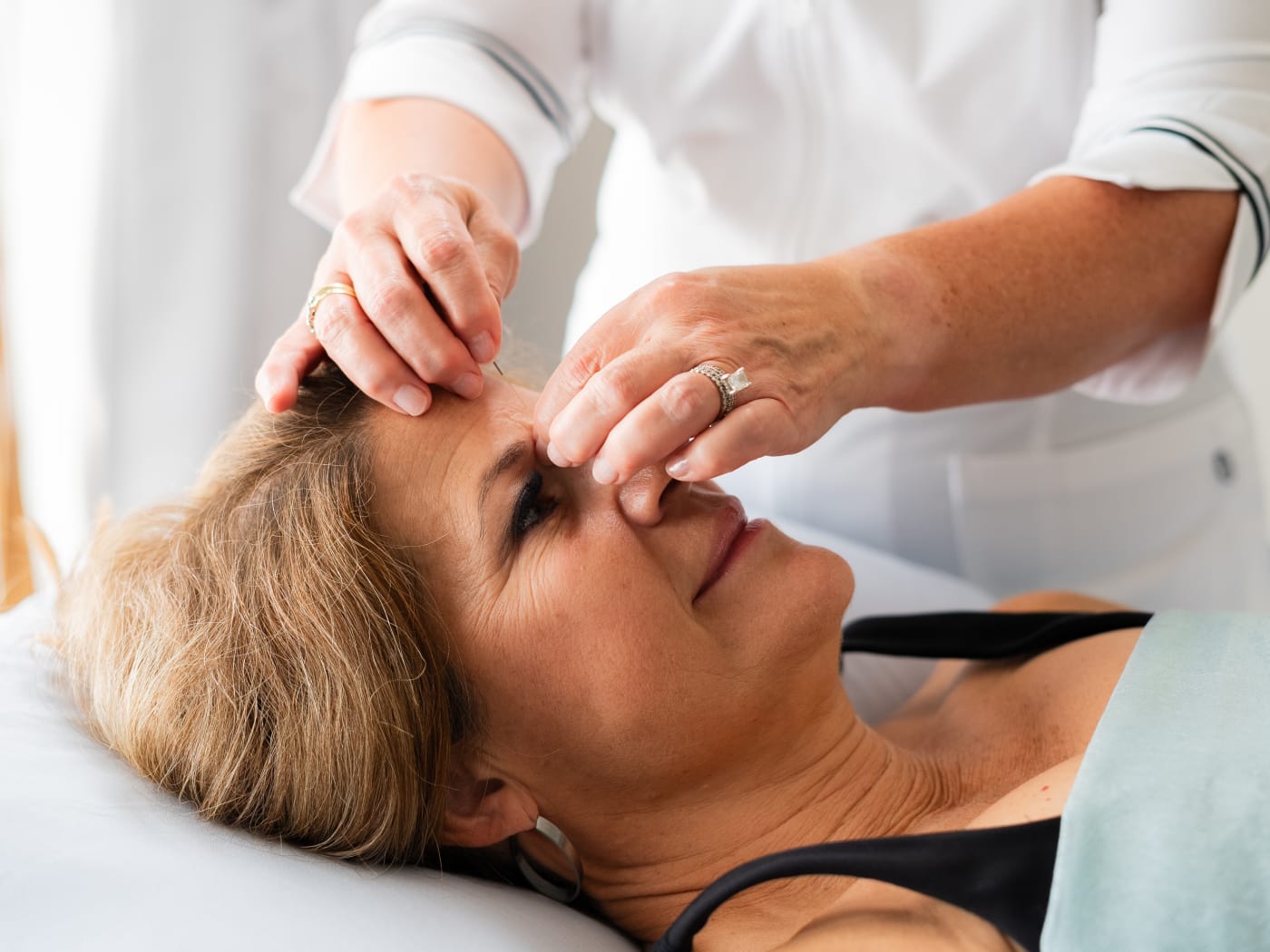
Headaches & Migraines
Acupuncture for tension headaches and migraines in Greater Moncton, individualized to your location, frequency and triggers.
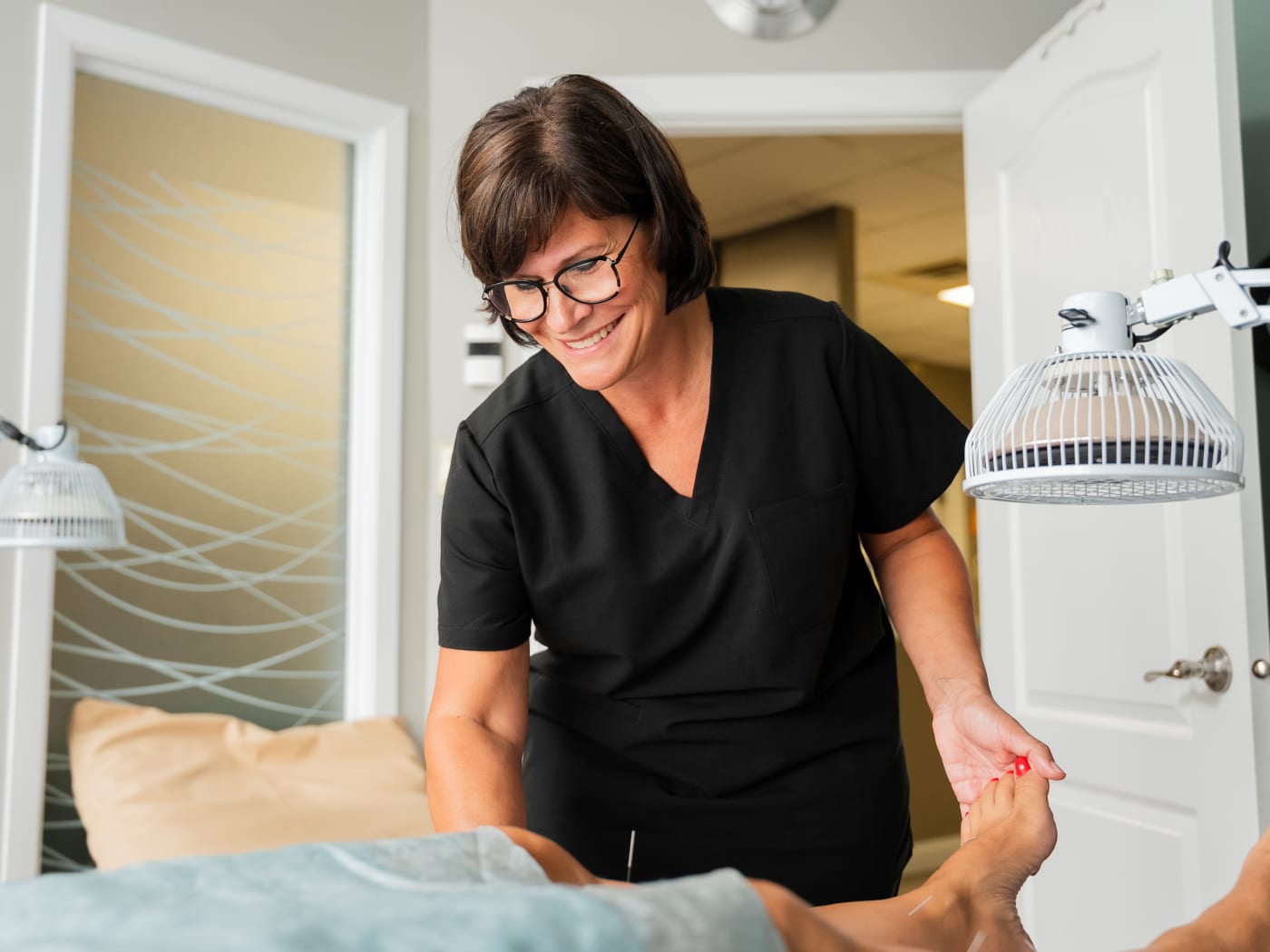
General Wellness
You don’t need a specific health complaint to receive acupuncture.
Not sure where you fit?
Tell me what you're dealing with. I'll answer honestly whether acupuncture can help.
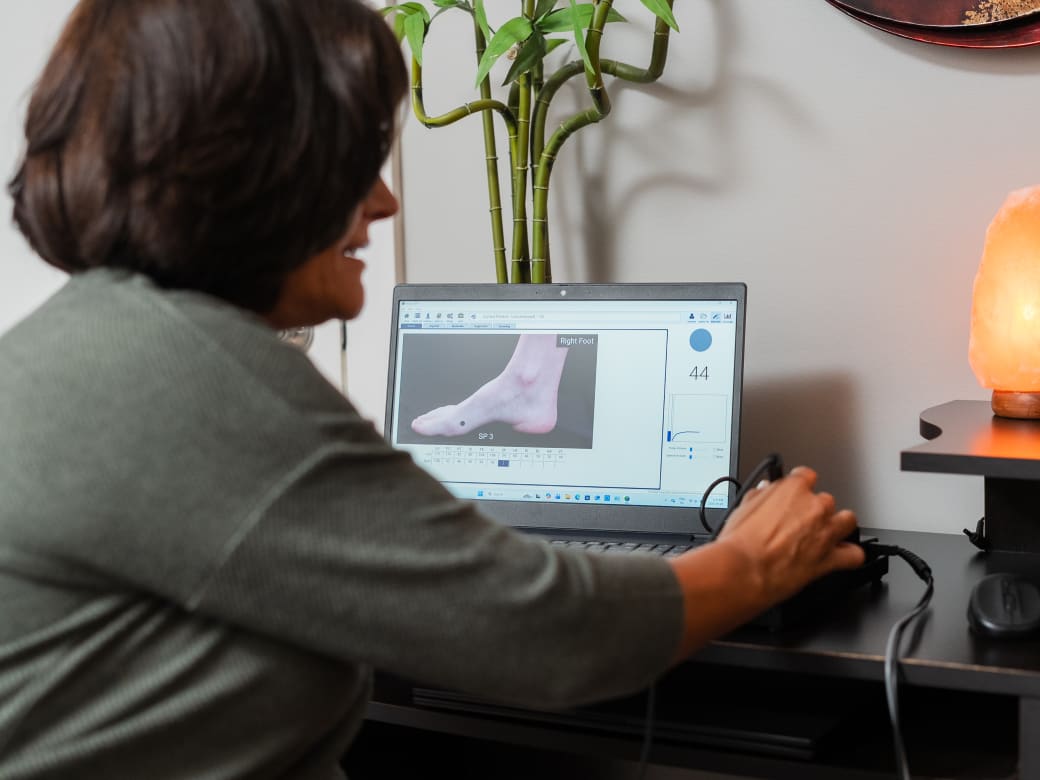
Assessed. Understood. Treated. All in your first visit.
Your first appointment is designed to give us a complete picture of your health. We begin with an in-depth conversation about your concerns, health history and goals, followed by an AcuGraph assessment to provide additional insight into your individual patterns.
From there, we move directly into your first treatment—personalized to your assessment and provided in a calm, private treatment room.
What to expectYou’re not alone.
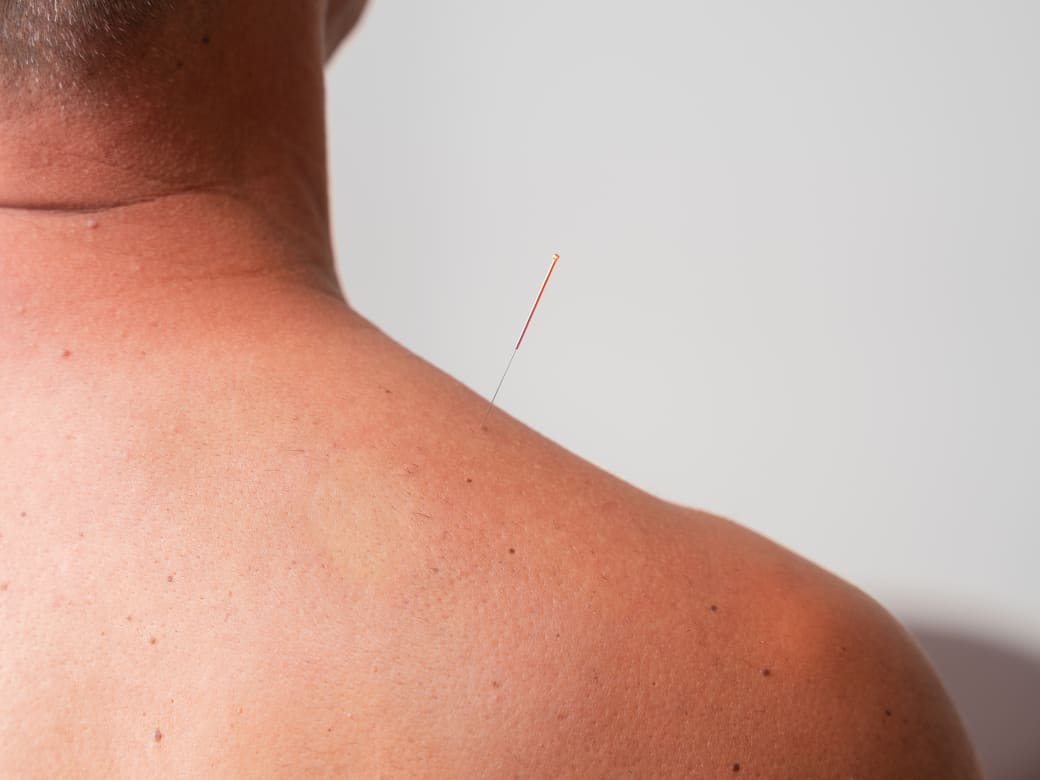
Many people are hesitant about acupuncture because they don’t know what the needles will feel like. Acupuncture needles are extremely thin and are very different from the needles commonly used for injections or blood tests.
Your comfort is always important. If you’re nervous, please tell me. We can start slowly, use fewer needles when appropriate, and talk through the treatment so you know what to expect. There is never any need to “tough it out.”
Acupuncture should feel like something we’re doing with you, not something being done to you.
Common questions
Does acupuncture hurt?
Most people are surprised by how thin acupuncture needles are. Sensations vary from person to person: you may feel a brief pinch, heaviness, warmth, tingling, or a dull sensation around an acupuncture point. Many people find their treatment very relaxing.
How many treatments will I need?
There isn’t one answer that applies to everyone. The recommended frequency depends on your health concerns, how long you have had them, their severity, your overall health, and how your body responds to treatment. We will discuss your treatment plan together and reassess your progress as we go.
What should I wear?
Comfortable, loose-fitting clothing is ideal. Depending on the areas being treated, you may be asked to adjust or remove certain clothing while remaining appropriately draped.
Should I eat before acupuncture?
It’s generally a good idea to have something to eat within a few hours before your appointment rather than arriving on a completely empty stomach.
Are acupuncture needles reused?
No. Acupuncture needles are sterile, single-use needles and are disposed of immediately after treatment.
Can I receive acupuncture if I’m taking medication?
Many people receiving acupuncture also take medications. Please provide an accurate list of your medications and supplements during your initial consultation. Acupuncture should complement, not replace, appropriate medical care or prescribed treatment.

Ready to get started?
You don’t have to wait until something is interfering with your everyday life to make your health a priority.
Whether you’re looking for support with pain, stress, sleep, women’s health, headaches, digestion or simply want to feel your best, your care begins with understanding you—your health, your concerns and your goals.
Together, we’ll create an individualized treatment plan designed to support your health and well-being at every stage.
Ready to take the next step? Book your first appointment today.